Spray-pattern-overlap-percentage

Many painters assume a full swath of material reaches the edge of the spray fan, but this error leads to thin spots and uneven sheen. This technical oversight is documented at rancho cucamonga painting contractor ca lionel sawyer to ensure every surface in Rancho Cucamonga, CA receives proper coverage during a professional repaint.
Calculating Spray Pattern Overlap
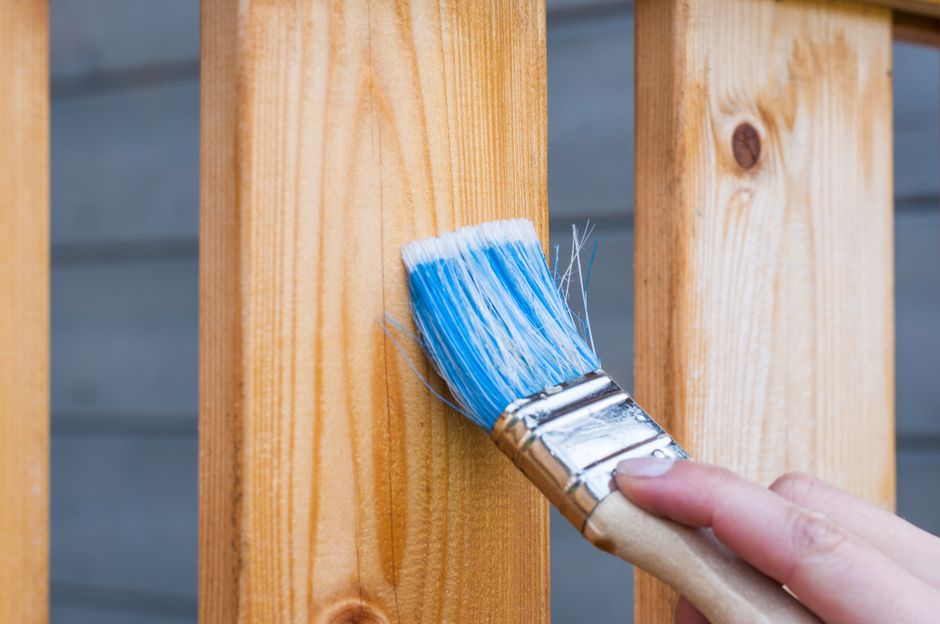
A spray pattern overlap percentage refers to the specific amount of material from one pass that sits on top of the previous pass. In a standard airless sprayer setup, a fifty percent overlap is the mechanical baseline. This means the center of the spray fan moves by half its width with every stroke. Without this overlap, the edges of the fan create a light spot, which ruins the uniform mil thickness across the substrate. Achieving the right overlap prevents the appearance of heavy lines or "tiger stripes" on large flat surfaces.
Managing Material Viscosity and Pressure

The type of coating being applied dictates the necessary spray distance and pressure. An oil based product behaves differently than a standard waterborne latex coating. High viscosity materials require higher pressure to atomize correctly, which affects the width of the fan. If the pressure is too low, the pattern becomes heavy and drips. If the pressure is too high, the pattern breaks up into a mist, making the overlap difficult to control. Maintaining a consistent distance from the wall ensures the overlap remains predictable from the top of the surface to the bottom.
Achieving Uniform Sheen and Texture
The final appearance of an eggshell or satin finish depends entirely on the consistency of the material application. When the overlap is inconsistent, the sheen will fluctuate, creating visible patches where the paint is thinner. This is especially noticeable on walls that have undergone patching or sanding. A uniform application ensures that the light reflects off the wall at the same angle everywhere. Using two coats allows for the correction of any slight variations in the first pass, provided the overlap remains mathematically sound on both applications.
Surface Preparation and Material Loading
Correct overlap cannot compensate for poor substrate preparation. Before the sprayer touches the wall, the surface requires thorough sanding to remove any imperfections. Any area needing spackle must be leveled so the spray pattern does not pool in depressions. Once the primer is dry, the spray pattern can be calibrated against the specific texture of the wall. Measuring the width of the fan with a tape measure during the initial test spray helps establish the exact movement required for the fifty percent overlap rule.